As healthcare organisations face rising temperatures and more frequent periods of extreme heat, they are managing a challenge that extends beyond patient comfort. In older hospitals and clinical environments, warmer weather can strain ventilation infrastructure, making it harder to maintain consistent indoor air quality (IAQ) and support effective infection prevention.
This is particularly important in areas caring for immunocompromised or clinically vulnerable patients. Researchers writing in the Journal of Hospital Infection note that these groups are more susceptible to potentially life-threatening healthcare-associated infections (HCAIs) transmitted through the air when indoor air quality is inadequately managed.
While healthcare organisations have long recognised the importance of environmental hygiene, air quality is increasingly seen as part of a broader infection prevention strategy. As healthcare systems adapt to climate change, resilient indoor environments that support patient safety and infection prevention are becoming a priority for healthcare leaders. Maintaining safe, effective and comfortable care environments is no longer solely a facilities challenge; it is part of a wider conversation about healthcare resilience, operational continuity and quality of care.
The Growing Importance of Air in Infection Prevention
HCAIs remain a persistent challenge worldwide. According to the World Health Organisation (WHO), around one in ten patients is harmed in healthcare, with HCAIs among the most common sources of avoidable patient harm. As providers strengthen infection prevention strategies, attention is increasingly turning to environmental factors that influence infection risk, including the air patients and staff breathe every day.
Although cleaning and disinfection remain fundamental to infection prevention, attention is increasingly turning towards the role of indoor air. Air moves continuously throughout treatment rooms, corridors, wards and shared spaces.
As healthcare organisations adapt to the wider impacts of climate change, described by the WHO as “the single biggest health threat facing humanity”, maintaining consistent indoor air quality can become more difficult. During warmer months, ventilation may be under greater strain, windows may be opened more often, occupancy can fluctuate and temperature control can complicate airflow management. Together, these factors can influence infection prevention measures and the quality of the healthcare environment.
For infection prevention, estates and facilities teams, the question is clear: how can healthcare environments improve indoor air quality, reduce infection risk and maintain comfortable conditions for patients and staff as temperatures rise?
Commenting on the growing focus on indoor air quality, Sarah Wheatley, Deputy Director of Infection Prevention Control at Southmead Hospital, part of Bristol NHS Foundation Trust, said:
"Air quality should be considered as part of the wider infection prevention strategy. My findings suggest that effective air filtration, supported by appropriate airflow and an understanding of the clinical environment, can help reduce the risk of airborne transmission."
Ventilation Matters, But Resilience Requires Layers
Ventilation plays a vital role in safer indoor environments. However, many healthcare facilities, particularly older estates, must manage buildings not designed for today’s patient volumes, clinical workflows or infection prevention expectations.
Airflow patterns can be shaped by building design, room use, patient movement, open doors, open windows and everyday clinical activity. As a result, healthcare organisations are looking at layered approaches that complement existing ventilation strategies rather than replace them.
This reflects a wider shift towards proactive infection prevention. Instead of relying only on interventions after a risk has emerged, healthcare teams are exploring continuous environmental strategies that help reduce microbial burden throughout the day.
Building Confidence Through Continuous Air Decontamination
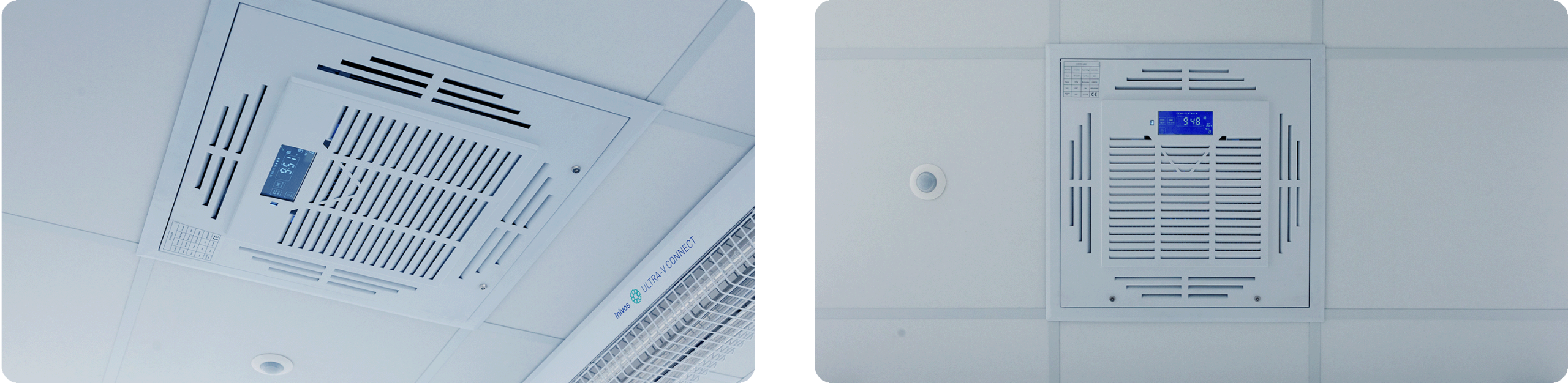
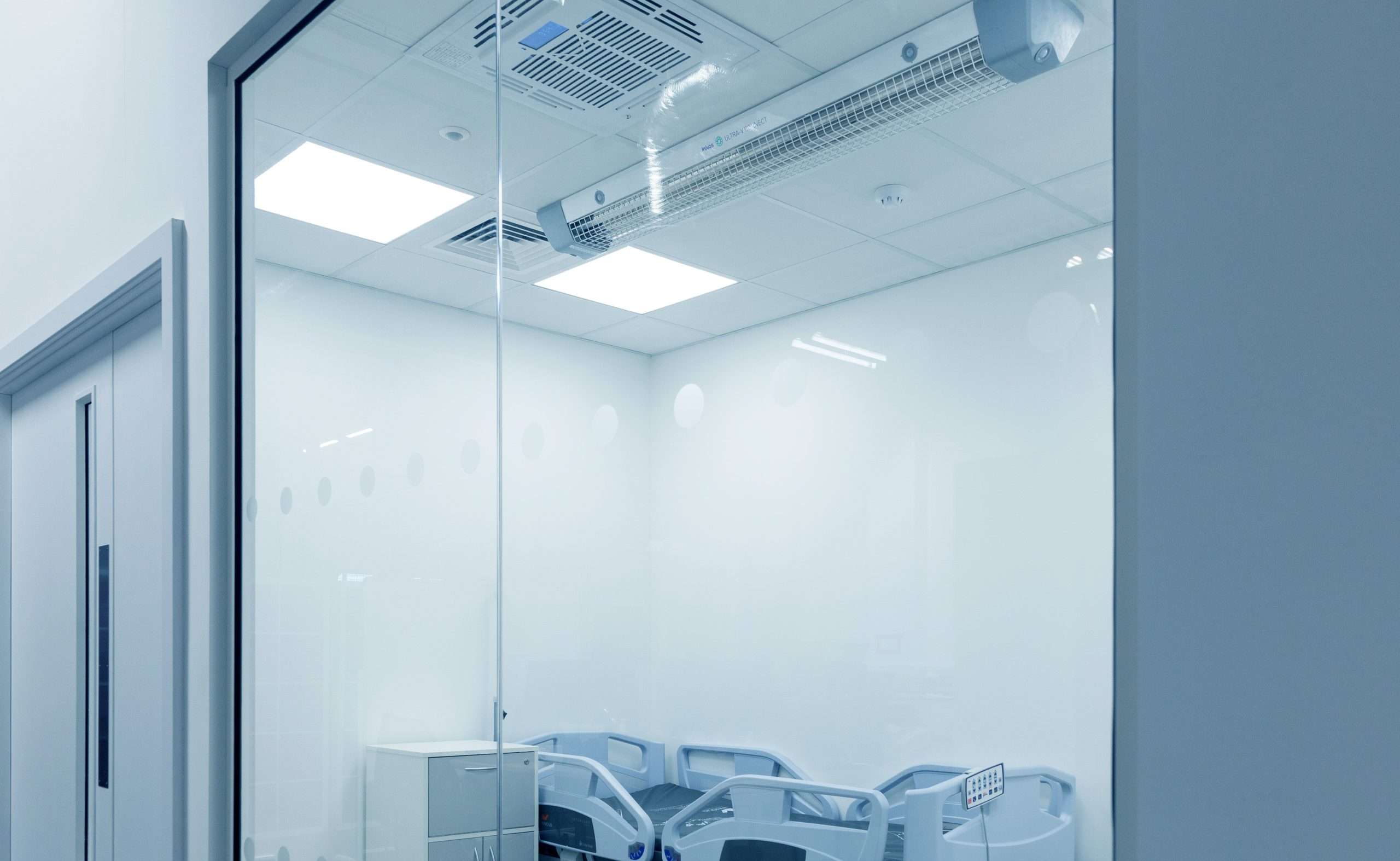
One area attracting growing attention is air decontamination technology. Ceiling-mounted systems have been developed to support safer air conditions in high-risk clinical environments where uninterrupted airflow and efficient air cleaning are important.
As recognised within HTM 03-01: Specialised Ventilation for Healthcare Premises, appropriate air change rates are fundamental to ventilation design, helping dilute airborne contaminants and support infection prevention. In environments where vulnerable patients are present, technologies that continuously treat and recirculate air can provide an additional layer of assurance alongside existing ventilation strategies.
These systems can combine HEPA filtration and UV-C sterilisation to support continuous air treatment in occupied clinical spaces. In environments caring for vulnerable patients, technologies that clean and recirculate air can provide an additional layer of protection alongside ventilation, environmental cleaning and other infection prevention measures.
Rethinking Air Management for a Changing Healthcare Environment
Summer often highlights vulnerabilities that exist year-round. Rising temperatures, pressure on hospital infrastructure and changing occupancy patterns can expose weaknesses in environmental control measures that may otherwise go unnoticed.
For healthcare leaders, this creates an opportunity to reassess how indoor air quality contributes not only to infection prevention and patient safety, but also to the wider challenge of building climate-resilient healthcare environments.
The future of infection prevention will rely on multiple layers of protection working together. Ventilation will remain essential, but cleaner air can play a valuable role in supporting safer, more resilient clinical environments.
For healthcare teams reviewing infection prevention strategies amid rising temperatures and operational pressures, indoor air quality is an important focus—not as a standalone solution, but as part of a broader commitment to safer, healthier and more resilient care environments.
Explore more.